

Home Care Services
Every family’s situation is unique, which is why home care should never be one-size-fits-all. Whether a loved one needs a few hours of support each week, assistance recovering from an illness or surgery, specialized dementia care, or around-the-clock supervision, Aroga Home Care provides personalized solutions designed around each client's needs.
Our caregivers help older adults remain safe, comfortable, and independent in the place they know best—their own home. We carefully match each client with caregivers who have the experience, personality, and compassion needed to build meaningful relationships and provide exceptional care.
Explore our specialized services below to learn more about how we support seniors and their families throughout Charlotte and the surrounding communities.
• Dementia Care – Specialized support for individuals living with Alzheimer's disease and other forms of dementia.
• Live-In Care – Consistent, around-the-clock support for seniors who need ongoing assistance and supervision.
• Respite Care – Temporary relief that allows family caregivers to rest, recharge, and attend to their own needs with confidence.
Not sure which type of care is right for your loved one? Our team is happy to answer your questions and help you explore the options available.
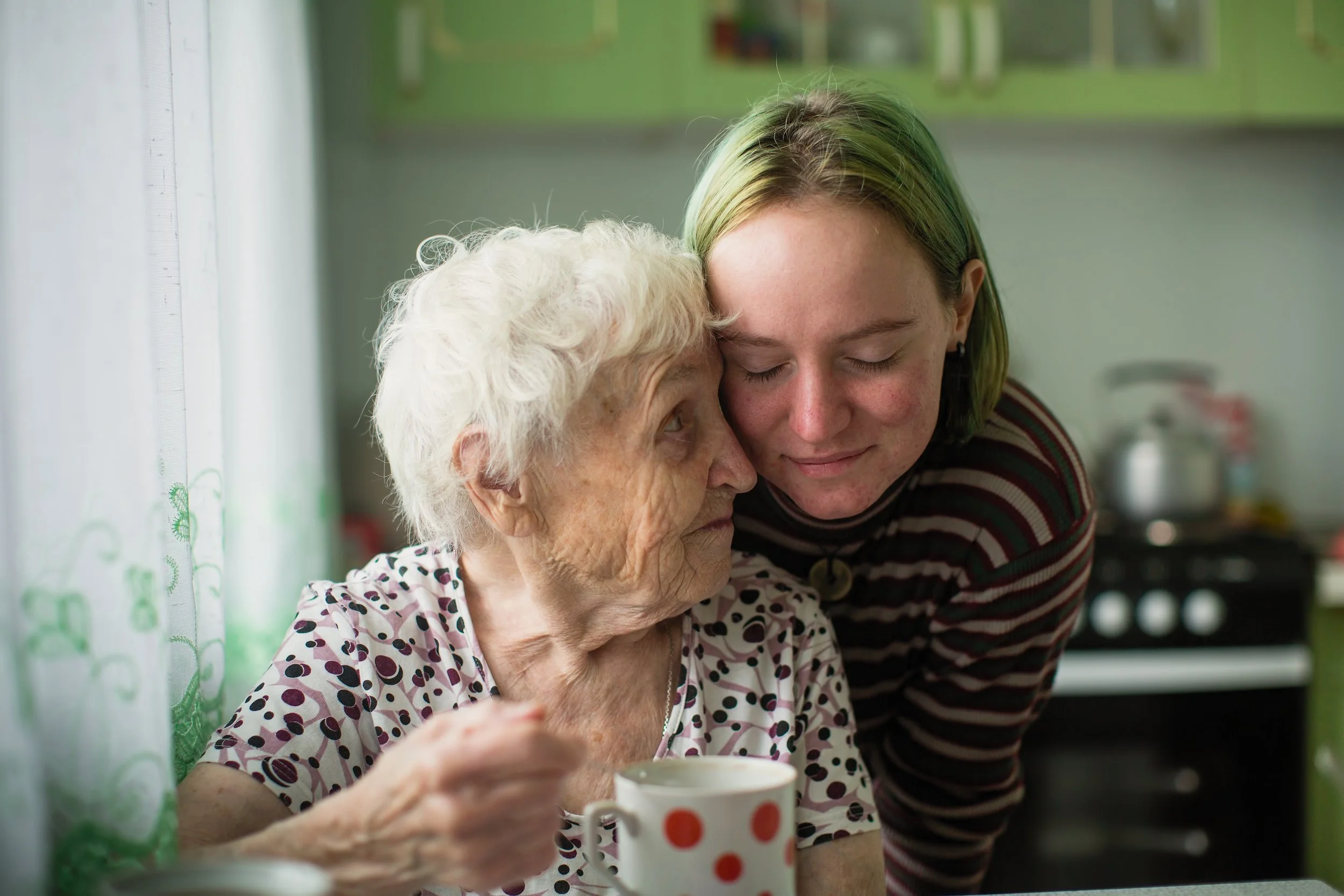
The importance of family, compassion, and personalized dementia care help older adults age with dignity at home.
Dementia Changes More Than Memory: What Families Need to Know
There is a moment that many families remember forever. For some, it's when Mom gets lost driving to the grocery store she's visited for twenty years. For others, it's when Dad forgets a grandchild's name, misses medications, or calls in the middle of the night confused about where he is. While dementia often begins with memory loss, families quickly learn that memory is only one small part of the journey. Dementia changes routines. It changes relationships. It changes the way families spend their time together. Most importantly, it creates new responsibilities that few people feel prepared to handle.
At Aroga Home Care, we work with families throughout Charlotte and surrounding communities who are navigating Alzheimer's disease and other forms of dementia. One thing we hear repeatedly is, "I wish I had understood sooner what this disease would require of our family."
The Hidden Challenges of Dementia
Many people imagine dementia as simple forgetfulness. In reality, dementia affects much more than memory.
As the disease progresses, individuals may experience:
Difficulty following conversations
Challenges with medication management
Changes in judgment and decision-making
Wandering or becoming lost
Sleep disturbances
Increased anxiety or agitation
Difficulty preparing meals
Personal hygiene challenges
Increased fall risk
Social withdrawal and isolation
These changes often happen gradually, making it difficult for families to know exactly when additional support is needed.
The Impact on Family Caregivers
Most family caregivers never expected to become caregivers. They are daughters, sons, spouses, and grandchildren who slowly find themselves taking on more responsibility. A daughter begins managing appointments. A son starts paying bills. A spouse takes over medications and meal preparation. Over time, caregiving can become a full-time responsibility layered on top of careers, children, marriages, and other obligations. Many caregivers describe living in a constant state of worry.
Is Mom eating?
Did Dad take his medications?
What happens if they fall while I'm at work?
What if they leave the house and become confused?
The emotional weight can be overwhelming, even when caregiving comes from a place of deep love.
Why Remaining at Home Matters
For many individuals living with dementia, familiar surroundings provide comfort and stability. Home contains familiar routines, cherished memories, favorite chairs, family photographs, and daily rhythms that can help reduce anxiety and confusion.
Remaining at home may help support:
Greater comfort and familiarity
Reduced stress and disorientation
Consistent daily routines
Meaningful family connections
Increased independence
However, remaining at home often requires additional support as care needs evolve.
How In-Home Dementia Care Can Help
Professional dementia care is not simply about helping with tasks. It's about helping individuals maintain dignity, purpose, and quality of life while providing families with peace of mind.
A dementia caregiver may assist with: Personal care and bathing
Dressing and grooming
Meal preparation
Medication reminders
Transportation
Safety supervision
Meaningful activities and engagement
Companionship
Respite for family caregivers
The right caregiver can become an important source of consistency, comfort, and reassurance.
Knowing When It's Time to Ask for Help
Many families wait until they are exhausted before seeking support. Often, the signs appear long before a crisis occurs.
It may be time to consider additional care when:
A loved one is no longer safe alone
Medications are being missed
Falls have become a concern
Family caregivers feel overwhelmed
Personal hygiene is declining
Nutrition or hydration are suffering
Caregiving responsibilities are affecting work or family life
Seeking help is not giving up. In many cases, it allows families to spend less time managing tasks and more time simply being together.
The Right Caregiver Changes Everything
One of the most common things families tell us after beginning care is that they finally feel like they can be a daughter again. Instead of spending every visit managing medications, cleaning, cooking, and worrying, they can focus on what matters most: spending meaningful time with the person they love.
At Aroga Home Care, we believe dementia care should support the entire family—not just the individual receiving care. Through personalized caregiver matching, experienced dementia caregivers, and ongoing support, we help families navigate one of life's most challenging journeys with greater confidence and peace of mind.
If your family is facing the challenges of Alzheimer's disease or dementia, you do not have to carry the burden alone. Help is available, and the right support can make all the difference.