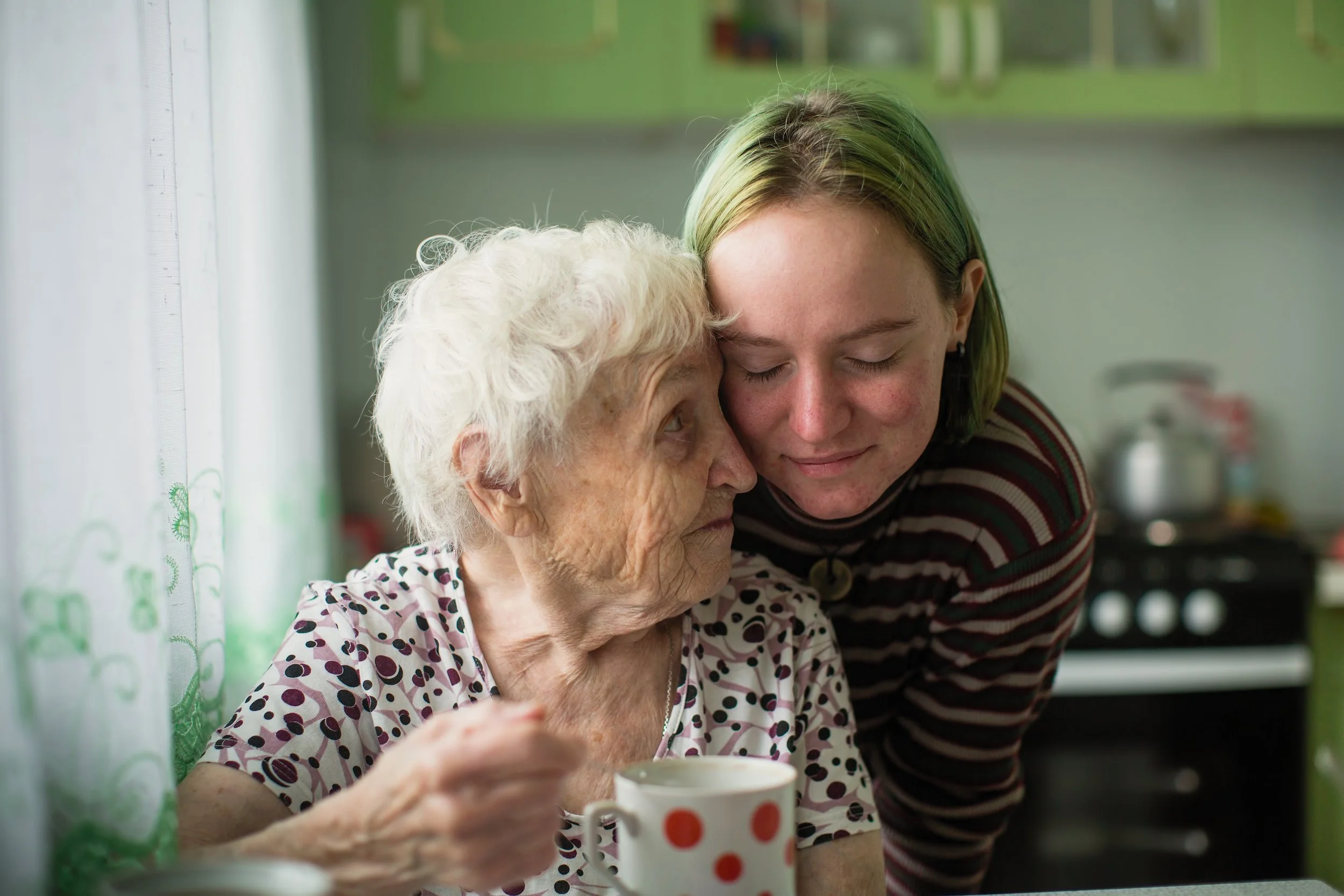
Explore helpful guidance, care options, and support resources for families navigating aging, dementia, recovery, and long-term care decisions. Learn how Aroga Home Care helps seniors remain safe, comfortable, and independent at home.

Care & Support

Few families feel fully prepared when a loved one begins to need help. Questions about safety, memory changes, daily routines, and long-term care often arrive gradually, leaving families uncertain about where to turn.

At Aroga Home Care, we believe families deserve guidance, support, and clear information as they navigate these decisions. Whether you're just beginning to explore care options or are facing an urgent need for assistance, our goal is to help you understand the choices available and find the right solution for your loved one.

Within this section you'll find:

When Families Need Care

Learn the common signs that additional support may be needed and explore the options available for helping a loved one remain safe and independent at home.

Our Home Care Services

Discover the personalized care services available through Aroga, including companionship, personal care, respite care, dementia support, and live-in care.

How We Support Families

Understand what makes Aroga different and how our approach to caregiver matching, communication, and ongoing support helps families feel confident and supported


Most families reach out to us during moments of uncertainty.

Maybe you're noticing small changes that worry you. Maybe a hospital discharge has created new care needs. Or maybe you're simply feeling overwhelmed trying to manage everything alone.

Families often call us when:

• A parent is beginning to struggle with daily tasks
• Memory loss or dementia is becoming more noticeable
• A hospital stay has changed a loved one’s independence
• A spouse or adult child caregiver is becoming exhausted
• Safety at home is starting to feel uncertain

You don't need to have everything figured out. A short conversation can help you understand your options. That's exactly what we're here for.

Let's Talk About Your Loved One

No obligation. No pressure. Just a conversation about your family's needs.

Whether you're looking for home care, exploring senior living options, trying to understand a dementia diagnosis, or simply don't know where to start, we're here to help. If Aroga isn't the right fit, we'll do our best to point you in the right direction and connect you with resources that may better serve your family's needs.

Sometimes the most important step is simply having someone who understands the journey and can help you navigate the options.
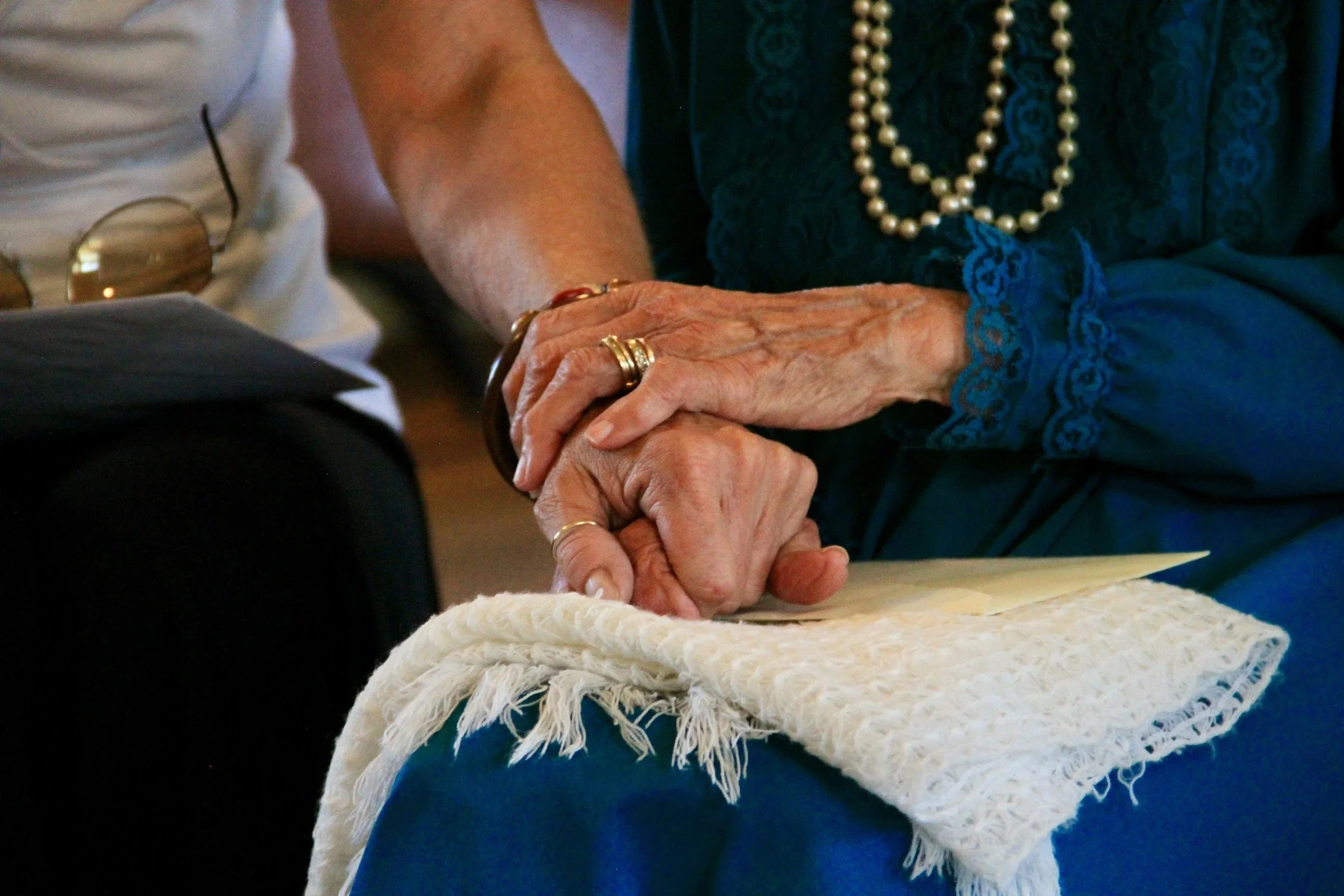
Every care journey begins with a family trying to do what's best for someone they love.

Making the decision to have someone come Into your home and care for you or a loved one is not taken lightly.

At Aroga, we take the time to understand each family’s unique needs so we can thoughtfully match you with carefully vetted, experienced care professionals who feel like the right fit. Our goal is to help seniors remain safe, comfortable, and connected in the place they know best—home.

What Families Can Expect

• Thoughtfully matched caregivers

• Flexible in-home support from 4–24 hours per day or live-in

• Experienced dementia and memory care support and much more

If you’re beginning to explore care or simply have questions, our team is here to help you think through what comes next.

Clients take part in helping to choose the best caregiver match for them and their family.

Carefully Matched. Thoughtfully provided.

Our caregivers provide thoughtful, personalized support designed to help seniors remain safe, comfortable, and independent at home.

Where Our caregivers make the greatest impact:

  • Companionship

  • Safety and fall prevention

  • Alzheimer’s and dementia care

  • Parkinson’s care

  • Bathing, dressing grooming

  • Incontinence and catheter care

  • Post-hospitalization and rehabilitation support

  • Stroke care and recovery

  • Post-surgery care

  • Transportation, travel and errands

  • Medication reminders and management

  • Meal planning and preparation

  • Light housekeeping

  • And more personalized support

  • Don’t see what you need listed? Give us a call, we are always open to finding a way to help.

Care is provided in the comfort of home, with caregivers who support daily routines, safety, companionship, and meaningful engagement.

Not Sure where to begin? Senior care is our passion, and we’ve helped many families navigate uncertain and difficult moments. We’re always happy to talk though your situation and help you understand what options are out there and what support might look like.

 Home Care Services

Every family’s situation is unique, which is why home care should never be one-size-fits-all. Whether a loved one needs a few hours of support each week, assistance recovering from an illness or surgery, specialized dementia care, or around-the-clock supervision, Aroga Home Care provides personalized solutions designed around each client's needs.

Our caregivers help older adults remain safe, comfortable, and independent in the place they know best—their own home. We carefully match each client with caregivers who have the experience, personality, and compassion needed to build meaningful relationships and provide exceptional care.

Explore our specialized services below to learn more about how we support seniors and their families throughout Charlotte and the surrounding communities.

• Dementia Care – Specialized support for individuals living with Alzheimer's disease and other forms of dementia.

• Live-In Care – Consistent, around-the-clock support for seniors who need ongoing assistance and supervision.

• Respite Care – Temporary relief that allows family caregivers to rest, recharge, and attend to their own needs with confidence.

Not sure which type of care is right for your loved one? Our team is happy to answer your questions and help you explore the options available.

The importance of family, compassion, and personalized dementia care help older adults age with dignity at home.

 Dementia Changes More Than Memory: What Families Need to Know

There is a moment that many families remember forever. For some, it's when Mom gets lost driving to the grocery store she's visited for twenty years. For others, it's when Dad forgets a grandchild's name, misses medications, or calls in the middle of the night confused about where he is. While dementia often begins with memory loss, families quickly learn that memory is only one small part of the journey. Dementia changes routines. It changes relationships. It changes the way families spend their time together. Most importantly, it creates new responsibilities that few people feel prepared to handle.

At Aroga Home Care, we work with families throughout Charlotte and surrounding communities who are navigating Alzheimer's disease and other forms of dementia. One thing we hear repeatedly is, "I wish I had understood sooner what this disease would require of our family."

The Hidden Challenges of Dementia

Many people imagine dementia as simple forgetfulness. In reality, dementia affects much more than memory.

As the disease progresses, individuals may experience:

  • Difficulty following conversations

  • Challenges with medication management

  • Changes in judgment and decision-making

  • Wandering or becoming lost

  • Sleep disturbances

  • Increased anxiety or agitation

  • Difficulty preparing meals

  • Personal hygiene challenges

  • Increased fall risk

  • Social withdrawal and isolation

These changes often happen gradually, making it difficult for families to know exactly when additional support is needed.

The Impact on Family Caregivers

Most family caregivers never expected to become caregivers. They are daughters, sons, spouses, and grandchildren who slowly find themselves taking on more responsibility. A daughter begins managing appointments. A son starts paying bills. A spouse takes over medications and meal preparation. Over time, caregiving can become a full-time responsibility layered on top of careers, children, marriages, and other obligations. Many caregivers describe living in a constant state of worry.

Is Mom eating?

Did Dad take his medications?

What happens if they fall while I'm at work?

What if they leave the house and become confused?

The emotional weight can be overwhelming, even when caregiving comes from a place of deep love.

Why Remaining at Home Matters

For many individuals living with dementia, familiar surroundings provide comfort and stability. Home contains familiar routines, cherished memories, favorite chairs, family photographs, and daily rhythms that can help reduce anxiety and confusion.

Remaining at home may help support:

  • Greater comfort and familiarity

  • Reduced stress and disorientation

  • Consistent daily routines

  • Meaningful family connections

  • Increased independence

However, remaining at home often requires additional support as care needs evolve.

How In-Home Dementia Care Can Help

Professional dementia care is not simply about helping with tasks. It's about helping individuals maintain dignity, purpose, and quality of life while providing families with peace of mind.

A dementia caregiver may assist with: Personal care and bathing

  • Dressing and grooming

  • Meal preparation

  • Medication reminders

  • Transportation

  • Safety supervision

  • Meaningful activities and engagement

  • Companionship

  • Respite for family caregivers

The right caregiver can become an important source of consistency, comfort, and reassurance.

Knowing When It's Time to Ask for Help

Many families wait until they are exhausted before seeking support. Often, the signs appear long before a crisis occurs.

It may be time to consider additional care when:

  • A loved one is no longer safe alone

  • Medications are being missed

  • Falls have become a concern

  • Family caregivers feel overwhelmed

  • Personal hygiene is declining

  • Nutrition or hydration are suffering

  • Caregiving responsibilities are affecting work or family life

Seeking help is not giving up. In many cases, it allows families to spend less time managing tasks and more time simply being together.

The Right Caregiver Changes Everything

One of the most common things families tell us after beginning care is that they finally feel like they can be a daughter again. Instead of spending every visit managing medications, cleaning, cooking, and worrying, they can focus on what matters most: spending meaningful time with the person they love.

At Aroga Home Care, we believe dementia care should support the entire family—not just the individual receiving care. Through personalized caregiver matching, experienced dementia caregivers, and ongoing support, we help families navigate one of life's most challenging journeys with greater confidence and peace of mind.

If your family is facing the challenges of Alzheimer's disease or dementia, you do not have to carry the burden alone. Help is available, and the right support can make all the difference.

 Live-In Care

When Home Is Still the Best Place to Be

There comes a point for many families when a loved one can no longer be left alone safely. Perhaps Mom is waking during the night and becoming confused. Maybe Dad is recovering from surgery and needs assistance around the clock. Sometimes an adult child is exhausted from trying to provide care while balancing work, family, and other responsibilities. Families often assume their only options are assisted living, memory care, or a nursing facility. In many cases, there is another option. Live-in care allows older adults to remain in the comfort and familiarity of home while receiving the support they need from a consistent team of dedicated caregivers.

What Is Live-In Care?

Unlike traditional hourly care, live-in care is designed around longer caregiver stays and greater continuity. At Aroga Home Care, live-in caregivers typically remain with a client for several consecutive days before rotating with another caregiver. Most care teams consist of 2 carefully selected professionals who become deeply familiar with the client's routines, preferences, personality, and care needs. Instead of five or six different caregivers needed to cover a 168 hour week, families often prefer this smaller more intimate team. This consistency creates stronger relationships, reduces confusion, and allows caregivers to notice subtle changes that might otherwise go unnoticed.

A Different Type of Caregiver

Not every caregiver is a good fit for live-in care. It’s typically a team of 2 caregivers who work 3-10 day then relieve each other. The caregivers who choose this work are often in a unique stage of life. Many are empty nesters, experienced professionals, or individuals whose personal responsibilities allow them the flexibility to stay with a client for several days at a time. Some travel significant distances because they genuinely love this type of care and the meaningful relationships it allows them to build. These caregivers aren't simply arriving for a shift. They become part of the daily rhythm of the household. They share meals, provide companionship, offer reassurance during difficult moments, and create a level of continuity that is difficult to achieve with traditional hourly care.

Why Families Love Live-In Care

One of the greatest advantages of live-in care is consistency. For older adults, particularly those living with dementia, fewer caregivers often means less anxiety, greater comfort, and a stronger sense of security.

Families appreciate:

  • Fewer caregivers entering the home

  • Greater consistency and relationship-building

  • Reduced confusion for individuals with memory loss

  • Around-the-clock support and supervision

  • Peace of mind for family members

  • Personalized routines and care

  • The ability to remain at home longer

Many families tell us they are surprised by how quickly their loved one begins to view the caregiver as a trusted companion and friend.

When Live-In Care May Be Appropriate

Live-in care can be an excellent option for:

Dementia and Alzheimer's Care

When consistency, routine, and supervision become increasingly important.

Post-Surgical Recovery

Following joint replacements, major surgeries, or hospitalizations when additional support is needed temporarily.

Family Caregiver Respite

When a spouse or adult child needs relief, travel time, or the opportunity to focus on their own health and well-being.

Couples Aging Together

When one spouse requires significant support but both wish to remain at home.

Around-the-Clock Care Needs

When safety concerns make it difficult for an individual to be left alone.

Traveling With a Loved One

Many families utilize live-in caregivers for vacations, extended travel, family events, and seasonal transitions.

Is Live-In Care Right for Everyone?

Not always. Because caregivers remain in the home for extended periods of time, certain requirements must be met to ensure a successful arrangement for both the client and caregiver. Our care team carefully evaluates each situation to determine whether live-in care is the best fit and discusses alternative options when appropriate. Our goal is never to fit families into a service. Our goal is to find the right solution for each unique situation.

A Cost-Effective Alternative to Hourly 24-Hour Care

Many families are surprised to learn that live-in care is often more affordable than traditional hourly 24-hour care. Because live-in care is typically structured around a daily rate rather than hourly billing, families often receive significantly more support while benefiting from greater consistency and fewer caregiver transitions. For individuals who require ongoing supervision and assistance, live-in care can provide exceptional value while preserving the comfort and familiarity of home.

The Right Caregiver Changes Everything

At Aroga Home Care, we believe that exceptional care begins with exceptional caregiver matching. Our live-in care program was built around a simple idea: fewer caregivers, stronger relationships, and more meaningful support. For many families, live-in care provides something they thought they were losing—a way for their loved one to remain safely at home while receiving the care they deserve.

If you're exploring alternatives to assisted living, recovering from a hospitalization, or wondering whether live-in care might be right for your loved one, we'd be honored to help you explore your options.

No obligation. No pressure. Just a conversation about your family's needs.

 Respite Care

Caring for Someone You Love Can Be One of Life's Greatest Privileges—and One of Its Greatest Challenges

Most family caregivers never expected to become caregivers. It starts with helping out occasionally. A trip to the grocery store. A doctor's appointment. Assistance after a hospitalization. Then little by little, the responsibilities grow. You begin managing medications. Preparing meals. Coordinating appointments. Providing transportation. Helping with personal care. Monitoring safety concerns. Losing sleep because you're worried about what might happen when you're not there.

You love your parent. You love your spouse. You would do anything for them. But caregiving is hard. And even the most devoted caregivers need support.

What Is Respite Care?

Respite care provides temporary relief for family caregivers while ensuring their loved one continues to receive compassionate, professional support. Whether you need a few hours to attend appointments, a weekend away to recharge, or extended coverage during travel, respite care allows you to step away knowing your loved one is safe and cared for. Most importantly, it gives you permission to take care of yourself.

The Hidden Cost of Caregiver Burnout

Family caregivers often put their own needs last. They skip appointments. Cancel vacations. Neglect hobbies and friendships. Sacrifice sleep. Push through exhaustion because they believe no one else can provide care the way they do. Over time, this can lead to caregiver burnout.

Signs of caregiver burnout may include:

  • Constant exhaustion

  • Increased anxiety or stress

  • Difficulty sleeping

  • Feelings of guilt or resentment

  • Social isolation

  • Depression

  • Physical health concerns

  • Difficulty balancing work and caregiving responsibilities

If any of these sound familiar, you are not alone. And needing help does not mean you're failing.

Why Taking a Break Can Be the Most Loving Thing You Do

Many caregivers feel guilty about stepping away. They worry that no one else will understand their loved one's needs. They feel responsible for being available every moment of every day. But caregiving is not a sprint. It's often a journey that lasts months or years. You cannot pour from an empty cup. When caregivers receive support, they often return feeling more rested, more patient, and more emotionally available for the person they love. Taking care of yourself is not selfish. It's part of being an effective caregiver.

How Aroga Can Help

Our respite care services are designed to provide families with flexibility, support, and peace of mind.

Services may include:

  • Personal care assistance

  • Companionship

  • Meal preparation

  • Medication reminders

  • Transportation

  • Dementia care support

  • Safety supervision

  • Overnight care

  • Live-in respite care options

Whether you need a few hours of support or several weeks of coverage, our care team will work with you to create a plan that meets your family's needs.

A Caregiver You Can Trust

One of the greatest concerns family caregivers have is trusting someone else with their loved one's care. At Aroga Home Care, we take caregiver matching seriously. We carefully consider personality, care needs, preferences, and schedules to help ensure a positive experience for both clients and families. Our goal is not simply to provide coverage. Our goal is to provide confidence.

When Respite Care May Be Helpful

Families often utilize respite care when:

  • They need time to attend appointments

  • They are traveling

  • They need a weekend away

  • They are recovering from illness or surgery

  • They are balancing work and caregiving responsibilities

  • They simply need time to rest and recharge

There is no right or wrong reason to seek support. If caregiving feels overwhelming, it may be time to explore your options.

Frequently Asked Questions

How much respite care do I have to schedule?

Care plans are flexible and can be tailored to your family's needs, whether you need a few hours, overnight support, or extended care.

Can respite care support someone with dementia?

Yes. Many families utilize respite care to support loved ones living with Alzheimer's disease and other forms of dementia.

Do I have to be overwhelmed before asking for help?

No. In fact, many caregivers benefit from establishing support before they reach the point of burnout.

You Don't Have To Do This Alone

The truth is, most caregivers wait too long before asking for help. They tell themselves they can manage a little longer. A little longer becomes months. Sometimes years. If you're feeling tired, overwhelmed, worried, or simply in need of a break, we're here to help.

No obligation. No pressure. Just a conversation about your family's needs. And if Aroga isn't the right fit, we'll gladly help point you toward resources and solutions that may better support your family.

Because everyone deserves support—including the caregiver.